
Church of England Ordination
We have been training ministers for the Church of England for over a century, and our core purpose is to form Christlike leaders for today’s church. Candidates for ordained ministry, known as ordinands, are shaped by life in community, rhythms of worship, and a programme of training and placements designed to equip you with the skills and experience you need to serve in public ministry as a deacon or priest.
We welcome a conversation, visit, or application at any point in your process of discernment. We work closely with Diocesan Directors of Ordinands and Vocations, and with sponsoring bishops, to propose a training pathway shaped to reflect your existing experience and qualifications and to meet your training needs.
The three main variables in a formational pathway are your time with us, your academic programme, and your mode of training.
This section offers an overview of the ordination process and specialised training at Cranmer Hall. It outlines the stages of ordination and the essential theological, practical, and spiritual preparation for ministry candidates. Cranmer Hall equips students with the skills and knowledge needed to serve effectively, blending academic instruction, hands-on experience, and personal development. Through this rigorous program, candidates deepen their faith and develop the leadership qualities necessary to lead their congregations with confidence and integrity.
Time in Training
Ordinands under 32 normally train for three years, while those over 32 normally train for two years. In conversation with your diocese and for a variety of reasons a shorter or longer period of training may be agreed.
This section offers an overview of the ordination process and specialised training at Cranmer Hall. It outlines the stages of ordination and the essential theological, practical, and spiritual preparation for ministry candidates. Cranmer Hall equips students with the skills and knowledge needed to serve effectively, blending academic instruction, hands-on experience, and personal development. Through this rigorous program, candidates deepen their faith and develop the leadership qualities necessary to lead their congregations with confidence and integrity.
Programme of Study
If you haven’t studied theology at university level before, you will normally do an undergraduate qualification, 2-year HE Diploma or 3-year BA in Theology, Ministry, and Mission. It is possible for those with some theology or a good first degree in another subject to gain direct entry to the second year of the BA, or to study for a 2-year BA in Theology & Religion in the Durham University Department of Theology & Religion.
If you have previous theological qualifications, we offer an MA in Theology & Ministry which ordinands take over two or three years while auditing BA modules to fulfil formational requirements. We also host a vibrant postgraduate research community including ordinands studying for the Doctor of Theology and Ministry or for a PhD in the Department of Theology & Religion.
This section offers an overview of the ordination process and specialised training at Cranmer Hall. It outlines the stages of ordination and the essential theological, practical, and spiritual preparation for ministry candidates. Cranmer Hall equips students with the skills and knowledge needed to serve effectively, blending academic instruction, hands-on experience, and personal development. Through this rigorous program, candidates deepen their faith and develop the leadership qualities necessary to lead their congregations with confidence and integrity.
Mode of Training
Residential pathway
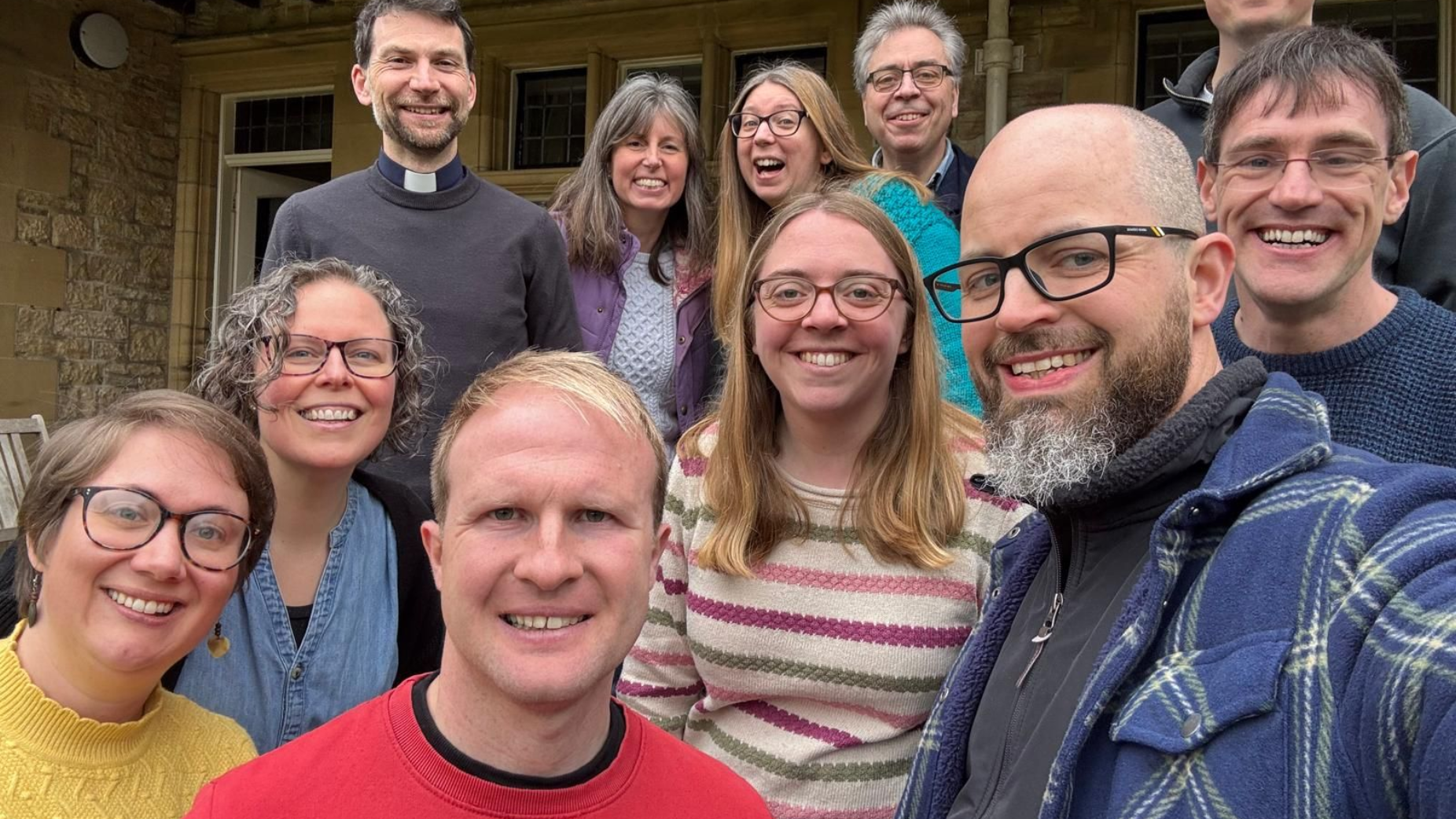
If you train residentially you will live in Durham and be full-time in College. Many residential ordinands live in College-owned accommodation. This is an immersive opportunity to eat, pray, and study in community on a daily basis, with a weekly placement during term-time and block placements in vacation (out of term-time). It gives you the time and space to study deeply and grow in your confidence and experience. Some ordinands with family or other commitments which mean they cannot relocate to Durham choose to board weekly, joining us Monday to Thursday and returning home at weekends.
Context-based pathway
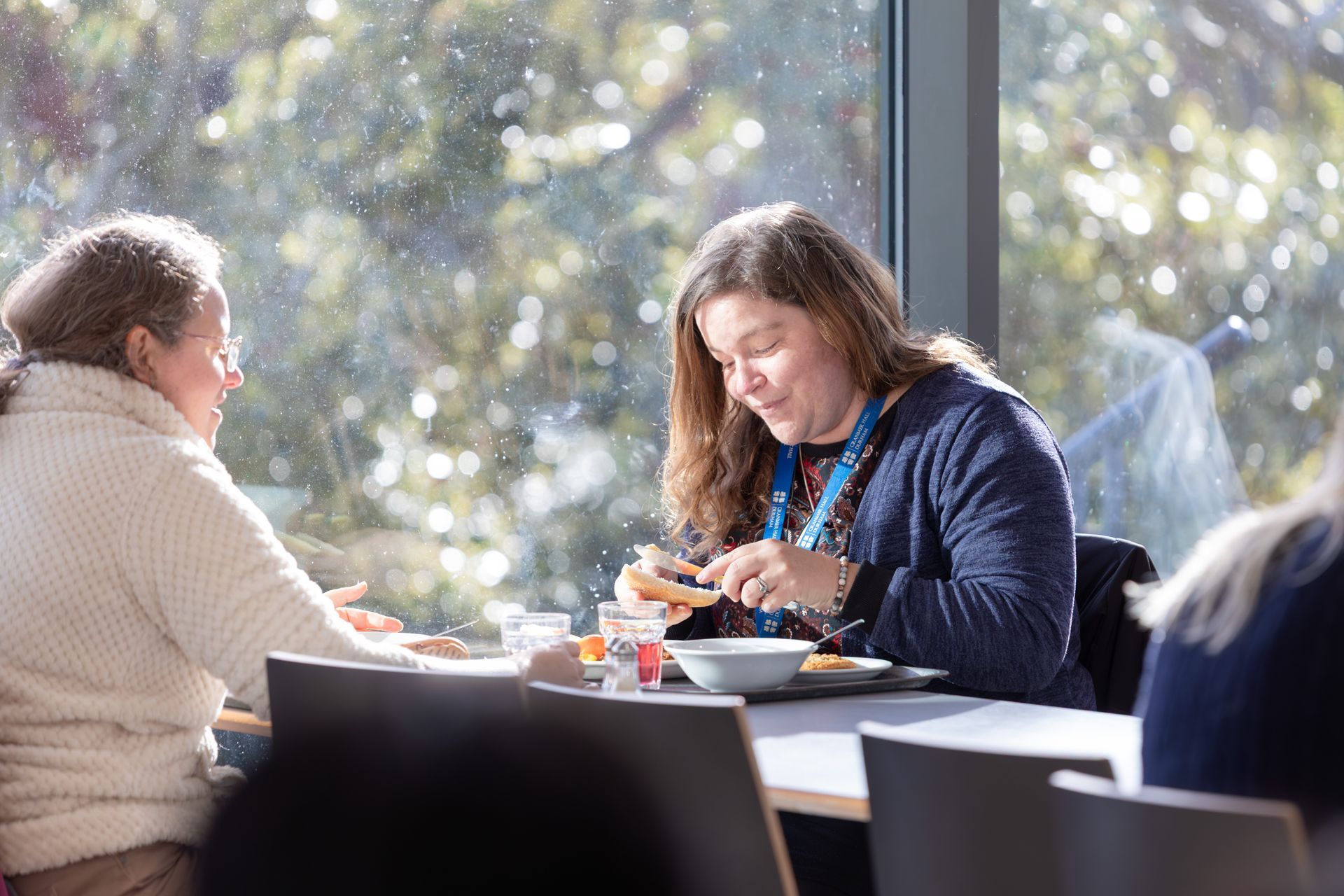
If you train in context, you will live, worship, and serve in a single context throughout your time in training. You will be in your context for much of the week and attend College for two or three days (usually Monday to Wednesday). On your days in College you will eat, pray, and study alongside other ordinands and students. The context-based pathway creates an unrivalled opportunity for your ministry experience and your learning and training to interact and nourish each other. Some ordinands will remain in their existing church, while others may relocate to a new ministry context when they begin training. The context-based pathway is open to ordinands in the dioceses in the wider region (Durham, Newcastle, Carlisle, Leeds, York). Our Director of Contextual Learning, Revd Steve Muneza, will work closely with you and your diocese to structure your pathway appropriately.
This section offers an overview of the ordination process and specialised training at Cranmer Hall. It outlines the stages of ordination and the essential theological, practical, and spiritual preparation for ministry candidates. Cranmer Hall equips students with the skills and knowledge needed to serve effectively, blending academic instruction, hands-on experience, and personal development. Through this rigorous program, candidates deepen their faith and develop the leadership qualities necessary to lead their congregations with confidence and integrity.
Formational Training
More information on the training you receive at Cranmer Hall
Discipleship Groups
Every ordinand is a member of a Discipleship Group, which meets one afternoon a week for input, fellowship, and discussion, and one morning a week to pray.
Spiritual mentors/directors
We encourage every ordinand to meet regularly with a spiritual director, and we can help arrange this if you don’t already have one.
Block teaching
Some of our formational training is delivered in blocks of between one day and five days in our Easter Term, from church planting, race and culture, to funerals ministry and conflict transformation.
Chaplain
As part of St John’s College, ordinands have access to the College Chaplain for pastoral and spiritual support which is separate from the ordinand reporting structure.
Retreats
Each year begins and ends with a whole-community quiet day; in addition, our ordinands go on a midyear weekend retreat for fellowship, teaching, and prayer.
Mission study blocks
At the end of the year our continuing ordinands do a guided group placement known as a mission study block, with a particular focus such as poverty, church planting, or the global church.
Cranmer Hall is comfortable in its own skin, gracious, kind, hospitable and caring.
Periodic External Review
Book onto an open day
Come and visit us to find out more, explore the campus and talk to students and lecturers about life at Cranmer.